
A venture studio for regenerative rural economies and landscapes.
Our Mission
The Agami Project exists to address the economic and environmental roots of distress migration and inequality, by designing Villages of Opportunities and Spaces of Possibilities. It is grounded in the belief that true innovation is born in the spaces between disciplines and cultures.
We aim to bring regenerative leadership grounded in systems thinking and a genuine passion for working across communities, researchers, entrepreneurs, policymakers, and ecosystem partners spanning the Global North and South.
Aligned with the UN Sustainable Development Goals
- 01No Poverty
- 02Zero Hunger
- 05Gender Equality
- 08Decent Work and Economic Growth
- 10Reduced Inequalities
- 11Sustainable Cities and Communities
- 13Climate Action
- 15Life on Land
- 17Partnerships for the Goals
Source: sdgs.un.org
Assess, connect, build
Our approach is guided by a simple theory of change: when communities are deeply understood, connected with the right partners, and equipped with adaptable infrastructure, lasting territorial transformation follows.
01
Assess
Community & environmental assessment
We begin by listening and learning. Through community surveys, stakeholder engagement, and ecosystem analysis, including a comprehensive SWOT analysis (Strengths, Weaknesses, Opportunities, Threats), we build a clear, visual understanding of the territory’s needs, assets, and challenges, ensuring every solution is grounded in local reality.
02
Connect
Coalition building
We bring together the right people, at the right time, around a shared vision. This means identifying aligned expert partners, community leaders, and funding organisations who are committed to the same long-term goals, building a coalition strong enough to make lasting change possible.
03
Build
Flexible, decentralised implementation
We implement decentralised infrastructure in a progressive, adaptive way: scaling and adjusting as we learn, ensuring solutions remain flexible and responsive to the territory’s evolving needs. This is where our theory of change comes full circle: understanding + alignment + adaptive infrastructure = resilient, community-owned solutions that evolve with the territory.
Our Team
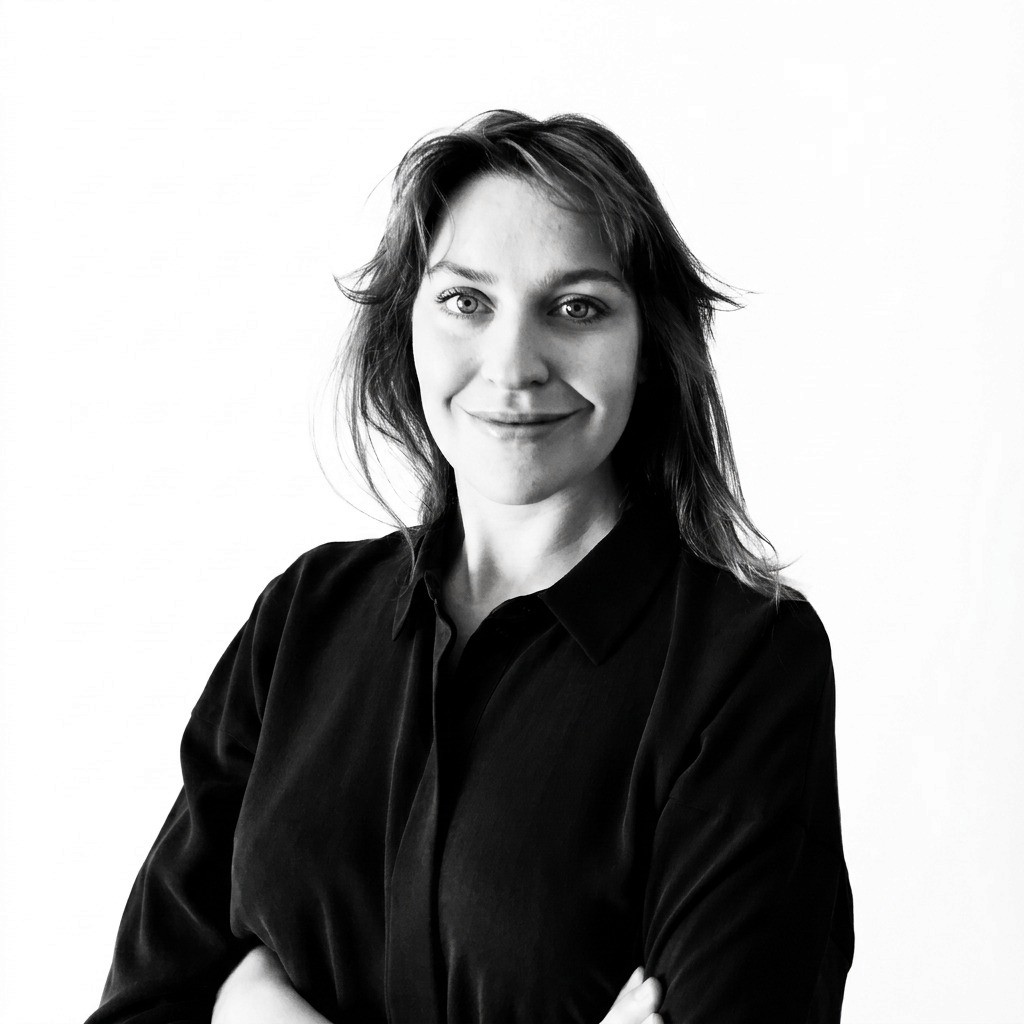
Chloé Zimmermann
Co-Founder — Architecture & Circular Economy
French, with over a decade of global experience spanning India and Europe, Chloé is an award-winning architect and certified circular economy and sustainability manager. Moving between scales and disciplines, her work is grounded in curiosity, research, and systems thinking, driven by a genuine passion for bringing diverse people together around the same table to co-design innovative visions beyond conventional silos. She leads with a strong strategic mind and a builder’s instinct for partnerships that last.
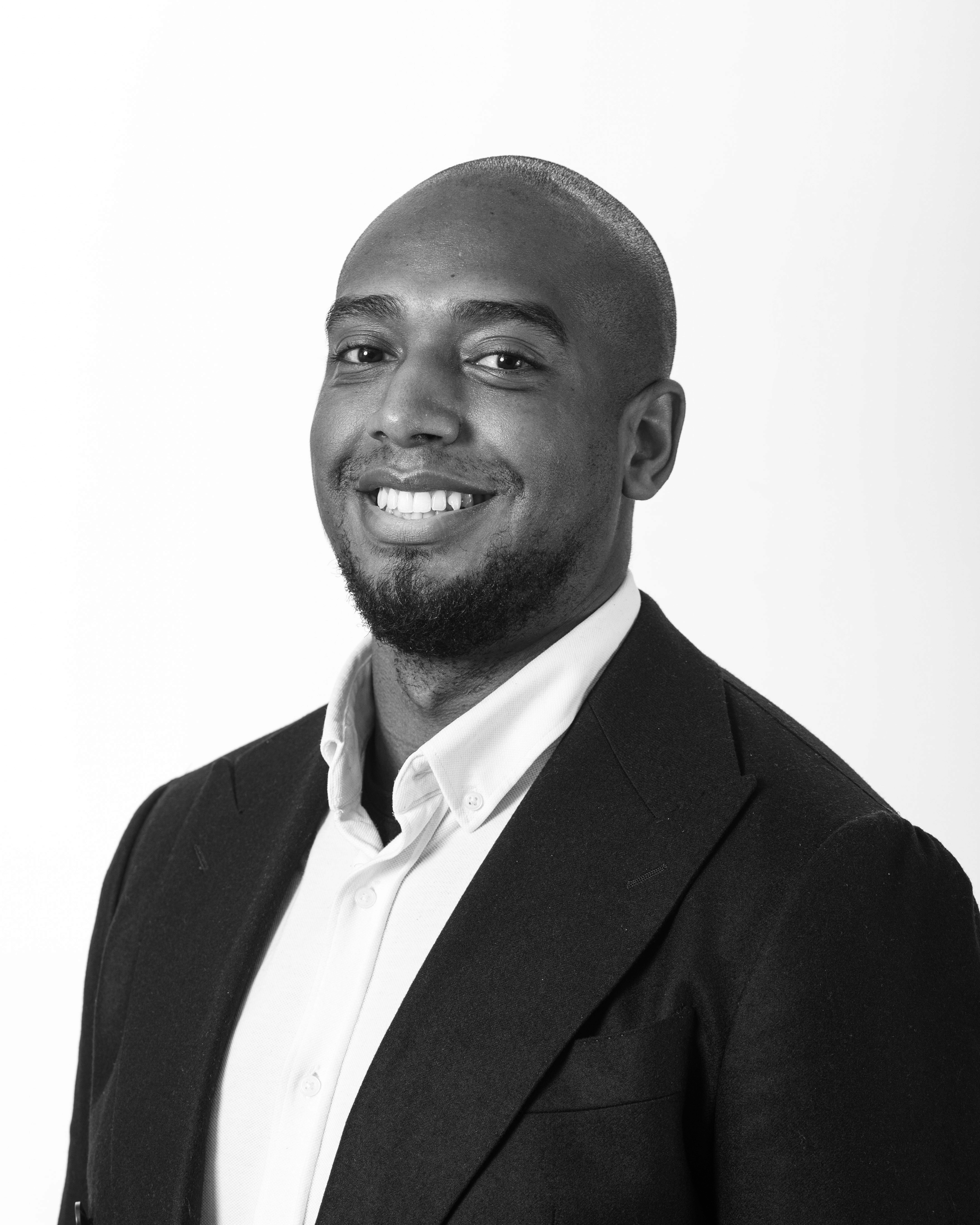
Shiraz Juriaans
Co-Founder — Finance & Impact Structuring
Dutch, with roots in South America and half a decade of experience across the Middle East and Europe, Shiraz is a real-assets professional with a finance and consulting background, which he uses to build economic systems designed by communities, for communities, restoring pride, ownership, and the environment in the process. He believes in people’s sovereignty: their right to access opportunity and drive their own lives, on their own terms. He leads with a sharp financial mind and a structurer’s instinct for turning purpose into lasting, self-driven prosperity.
Recognition

2025
Winner, Holcim Foundation Awards
One of the world’s most prestigious competitions for sustainable construction, chosen from more than 2,000 entries across 100+ countries.
Read the story →
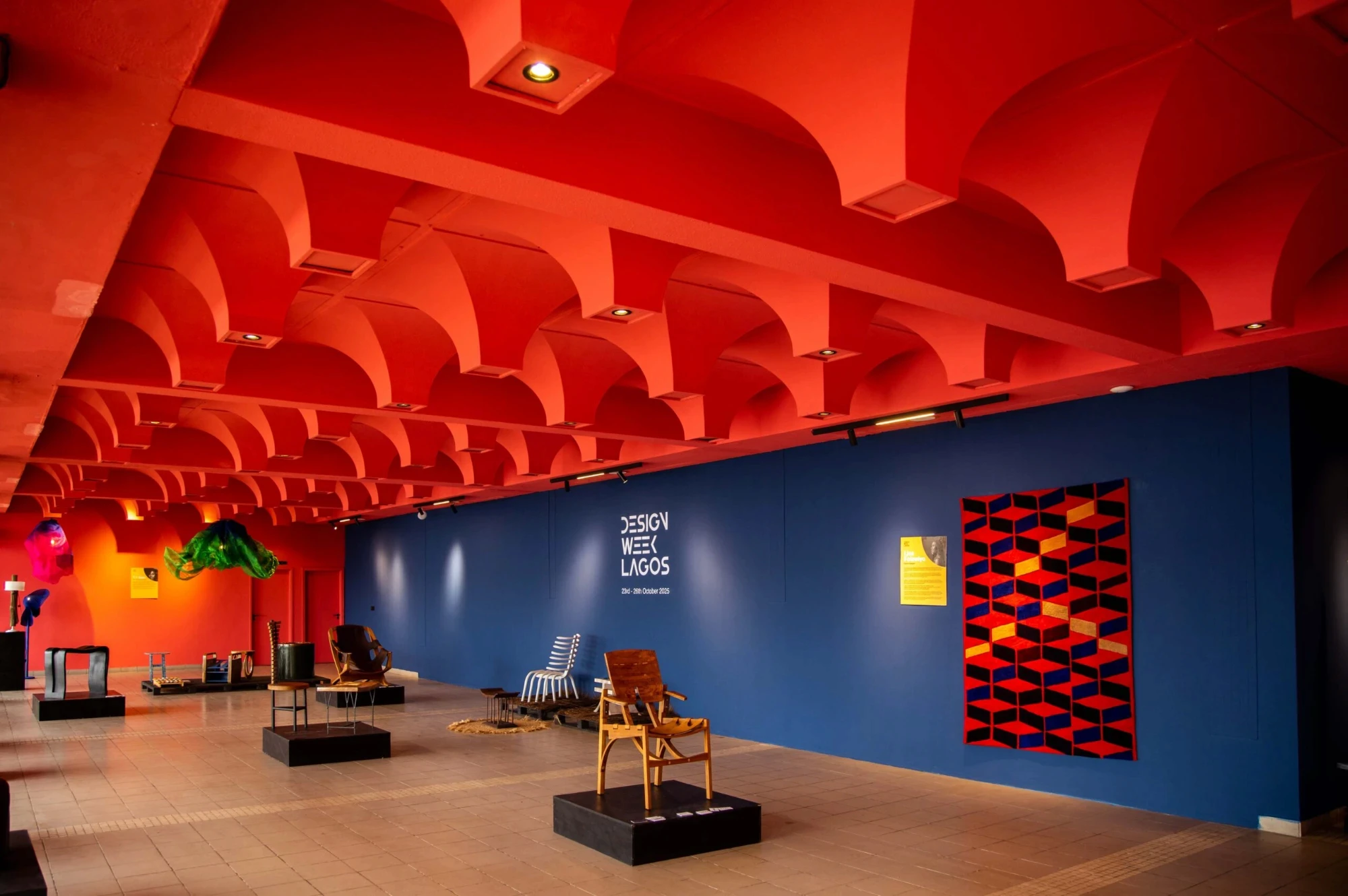
2025
Incubator Fellow, Design Week Lagos
West Africa’s leading international design week, held in Lagos, Nigeria. Its 2025 edition, “Made in Africa: Shaping Industries, Shaping Futures”, opened the Design + Innovation Incubator to its first cohort.
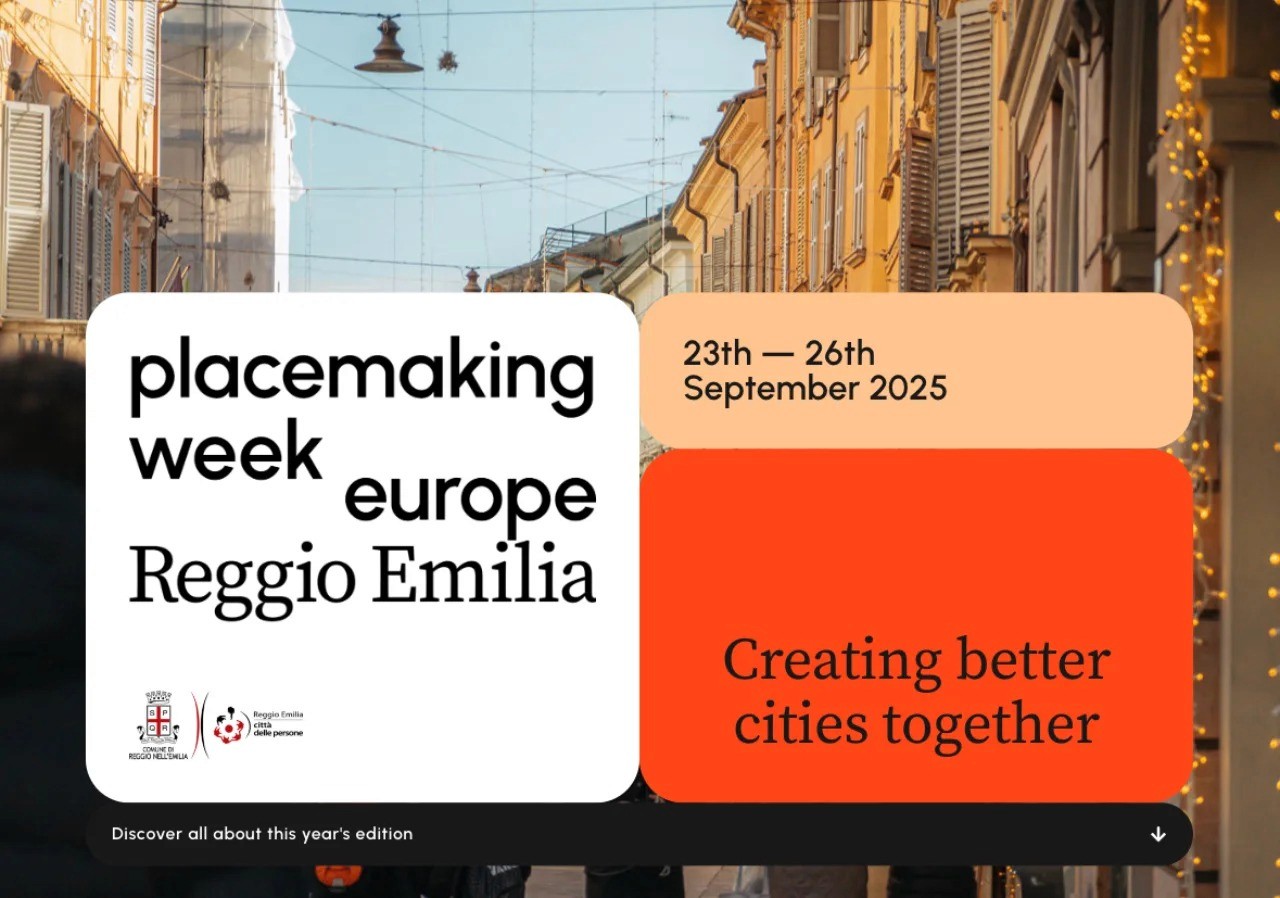
2025
Scholar, Placemaking Week Europe
Europe’s largest placemaking event, held in Italy; selected as one of 20 fellows worldwide. Workshop lead: Nonverbal Model Building for Collective European Futures.
Invited Talks
2026
Life Cycle Thinking and Systems Mapping. How to build more while using fewer resources
Panel · World Circular Economy Forum 2026, organised by CSTEP, ETH Zürich and untrash.earth
2026
From Isolated Clusters to Integrated Model: Regenerating Land, Homes & Livelihoods — Together
Invited Talk · Foundation Art and Nature, Germany
2026
Beyond Building. From Fragmented Projects to Integrated Systems. Rethinking What Regeneration Can Achieve
Guest Lecture · Penn State University, USA
2026
Villages of Opportunities. Why Regeneration Fails, and How Integrated Rural Models Can Transform the Future
Guest Lecture · TEPEE 2026 Conference, Free University of Bozen-Bolzano, Italy
2026
Villages of Opportunities. A Story of Regenerative Rural Transformation in Karnataka
Guest Lecture · World of Water Action Forum (WOW-AF), AltTech Foundation, India
2025
Design for Spaces of Possibilities. Waste as a Valuable Resource to Build the Future
Invited Talk · Engineers Without Borders, Austria
2025
Smarter Minds for Smart Cities. Rethinking Digital Education for the Next Generation
Invited Talk & Panel · Internet Governance Forum, Austria
2025
Panel · Serein 10 Event, India
See how this works in practice.
Newsletter
Letters from the field
Every other week we write about what we are building, what the villages are teaching us, and where you can help.